

Role of telehealth in generating prescriptions online
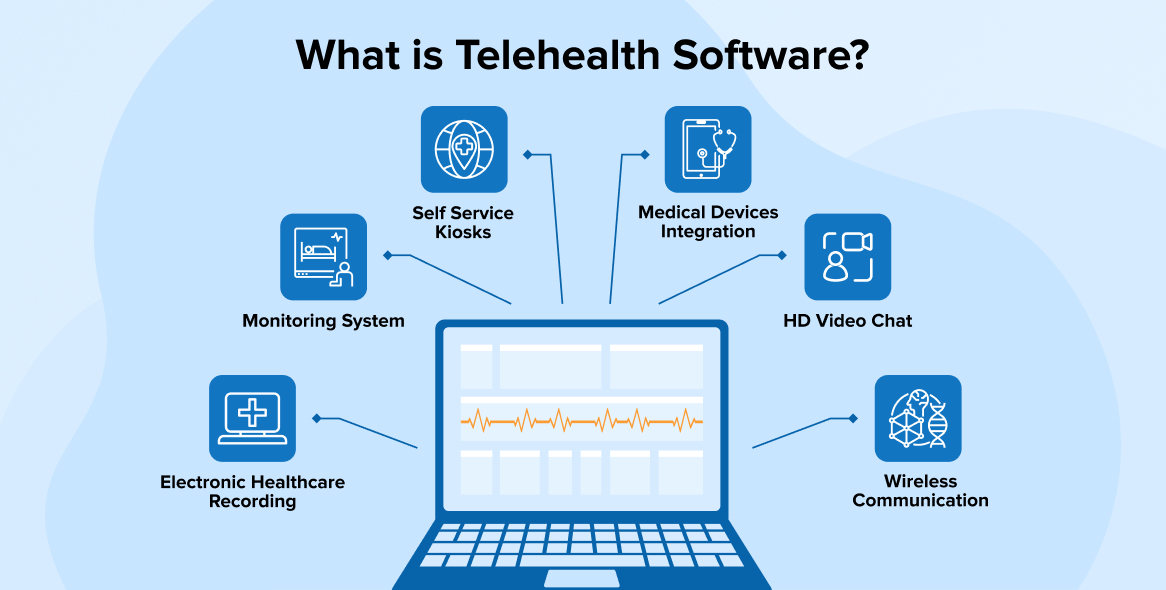
Patients meet qualified healthcare professionals who study the health condition through video or phone appointments. The practitioner can decide on suitable treatment and provide medication orders through the same remote process. prescriptions online emerge from virtual consultations after practitioners complete thorough symptom reviews and diagnosis processes. Remote prescription generation maintains clinical standards while eliminating geographical barriers that previously limited medication access for many individuals.
Virtual consultation process
Patients initiate appointments by selecting time slots that fit their schedules and completing pre-consultation questionnaires about symptoms they’re experiencing. Intake forms collect medical history information that practitioners review before consultations begin. NextClinic facilitate secure video connections where patients discuss concerns directly with registered healthcare providers during appointments. Practitioners conduct visual assessments through video feeds, ask questions about symptom progression, and evaluate whether prescription medication suits each case appropriately. Virtual examinations mirror traditional clinic visits through structured questioning techniques that reveal symptom patterns and severity.
Medication assessment methods
Practitioners check many clinical factors when they choose safe prescription medicines in telehealth settings. This process guides correct treatment and supports patient health outcomes. Symptom severity ratings help the practitioner decide if a condition needs prescription-strength treatment or if options found over the counter are suitable for mild cases. Medical history review shows how the patient responded to earlier medicines and also shows any known allergies and long-term conditions that may affect safety and outcome. Current medicine lists help prevent harmful drug reactions and also prevent reduced treatment power when medicines clash. Lifestyle factors include work schedule, diet pattern, and physical activity level, which affect when the patient takes medicine and what dose fits their normal routine.
Digital prescription creation
Practitioners generate electronic prescriptions directly within telehealth platforms using standardised writing interfaces built for clinical use. Systems show drug names with usual doses and ways to give the medicine. They also list common side effects. Automatic allergy checks match each drug with the allergy record of the patient to stop harmful reactions before the order goes to the pharmacy. Doctors write clear steps for use that state how often the dose is taken. They also note if the medicine needs food and how long the patient must follow the plan. Digital signatures authenticate each prescription with practitioner credentials and registration numbers that verify prescribing authority according to regulatory standards.
Pharmacy coordination systems
Confirmation messages notify patients when prescriptions arrive at selected locations and indicate estimated preparation times for medication pickup at pharmacy counters. Inventory verification checks ensure pharmacies stock prescribed medications before patients travel to collection points, which prevents wasted trips for items currently unavailable. Insurance coordination features submit prescription details to coverage providers for automatic benefit verification and copayment calculation before dispensing takes place.
Telehealth changes how prescriptions are created through virtual visits with licensed clinicians. The process begins with a full assessment of the patient. A digital system prepares the prescription after the evaluation. All stages work together and protect the standards that medical professionals follow. Remote prescription services expand healthcare access for patients facing mobility limitations or geographical distance from traditional clinics in their areas. Digital prescription processes reduce administrative burdens while improving accuracy through automated safety checks and verification systems built into platforms.