
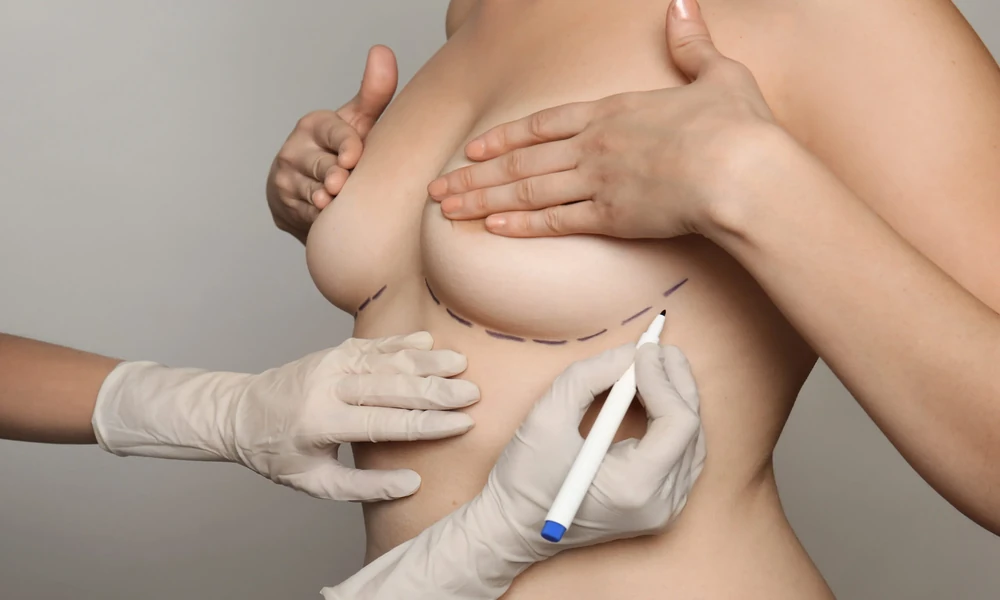
Most people pick a plastic surgeon the same way they pick a restaurant: a quick search, a pretty photo, and a good feeling. That works for dinner. It does not work for a procedure that permanently changes how your body looks and heals. If you are considering mastopexy, the decision in front of you is not really about finding the cheapest quote or the most polished Instagram feed. It is about finding a surgeon whose training, judgment, and communication style match what you actually need.
This guide walks you through the vetting process the way a careful patient would run it. You will learn which credentials actually mean something, what to look for in before and after photos, the questions that separate a thoughtful surgeon from a salesperson, and how recovery and cost fit into the whole picture. By the end, you should have a short list you feel confident defending.
Start with the basics. A surgeon who performs this procedure should be board certified by the American Board of Plastic Surgery, which is the standard recognized by the American Medical Association as the certifying body for the specialty. That is the floor, not the ceiling, and it is the first thing you should confirm before you ever book an appointment.
What does board certification actually tell you?
Plenty, and less than you might think. Certification confirms a surgeon completed an accredited plastic surgery residency and passed rigorous written and oral exams. It tells you the person has met a recognized training standard. It does not tell you how many lifts they perform each year, whether their aesthetic matches yours, or how they handle complications.
So treat certification as a filter, not a verdict. If you are comparing providers, the breast lift surgeon in Miami you choose should be able to show you current board certification, hospital privileges, and a clear record of the procedures they regularly perform. Ask directly. A confident surgeon will answer without flinching.
I would also pay attention to whether the consultation feels like an exam or a pitch. If the first fifteen minutes are mostly about financing plans and how fast you can book, that is a signal. You want a surgeon who asks about your goals, your health history, and your expectations before they talk about price.
Before and after photos, read like a skeptic
Photos are useful, but only if you look at them the right way. Anyone can present a highlight reel. What you want is consistency, variety, and photos that match your body type, skin quality, and amount of ptosis. If every image shows the same narrow body type and you do not share it, the gallery is not telling you much about your likely outcome.
Look for scars. Ask whether the photos are unretouched. Ask how long after surgery the images were taken, because early swelling can flatter a result. And ask to see a range of techniques, since a lift can involve different incision patterns depending on how much correction is needed.
According to the U.S. Food and Drug Administration, breast procedures carry real risks including infection, scarring, changes in nipple sensation, and the possibility of revision surgery. A surgeon who talks about these openly, without you having to drag it out of them, is worth more than one who only shows you the best outcomes.
Questions that separate a surgeon from a salesperson
Bring a written list. The answers matter, but the way they answer matters just as much.
- Which incision pattern do you recommend for me, and why?
- How many of these procedures have you performed in the last year?
- What happens if I need a revision, and how is that handled?
- Will you combine this with another procedure, or stage them separately?
- Who handles my after-hours concerns during recovery?
Notice that none of these questions are about price. Save that for after the clinical conversation. You want to hear how the surgeon thinks, not how they sell. If they dismiss a question or rush you, that is your answer.
What a strong consultation actually looks like
In my experience reviewing how patients describe good consultations, three things show up again and again. The surgeon examines you thoroughly rather than eyeballing you from across the room. They show you what your result might look like using your own measurements, not a generic template. And they tell you when a procedure is not the right fit, including when a lift alone will not achieve what you are hoping for.
That last point is the one patients undervalue most. A surgeon willing to talk you out of a procedure is usually the one you can trust with it.
The practical prep checklist
Here is a simple way to organize the decision so it does not become a months-long scroll.
- Confirm board certification and hospital privileges for every name on your list.
- Review at least five sets of before and after photos per surgeon, and ask about retouching.
- Schedule two or three consultations, even if you are fairly sure about one.
- Write down your top three goals and your top three concerns before each appointment.
- Ask about total cost, including facility fees, anesthesia, and follow-up visits.
- Check recovery logistics: time off work, driving restrictions, and who can help you at home.
- Take a day after each consultation before deciding. Pressure is a red flag.
If you want a sense of how common these procedures are nationwide, the Centers for Disease Control and Prevention tracks ambulatory surgery data that shows how routine outpatient cosmetic procedures have become. Routine does not mean risk-free, but it does mean you should expect clear, standardized answers about safety and aftercare.
Cost, recovery, and the timelines nobody mentions
Cost varies widely by city, surgeon experience, facility, and whether you combine procedures. Ask for a written estimate that itemizes the surgeon fee, anesthesia, facility charges, and follow-up care. If any line is vague, ask again. Financing is a legitimate tool, but it should never be the reason you choose one provider over another.
Recovery is usually measured in weeks, not days. Expect soreness, swelling, and a period of limited activity. Most patients return to desk work within a short window, but strenuous exercise and heavy lifting wait until your surgeon clears you. Plan for that gap before you book, because recovery is where good outcomes are protected or lost.
One more thing: ask when you will see your final result. Swelling resolves gradually, and scars fade over many months. A surgeon who sets realistic timelines upfront is doing you a favor.
Final word: choose the surgeon, not the brochure
The right choice comes down to four things: verified credentials, a consultation that feels like care rather than sales, photos that actually resemble you, and a recovery plan you can follow. Get those four right and the rest, including price and timing, becomes a much easier calculation.
Before you book anything, write down your top three questions and take them to your first consultation. If the surgeon answers them plainly and tells you something you did not want to hear, you are probably in the right room. What is the one question you are most afraid to ask?