
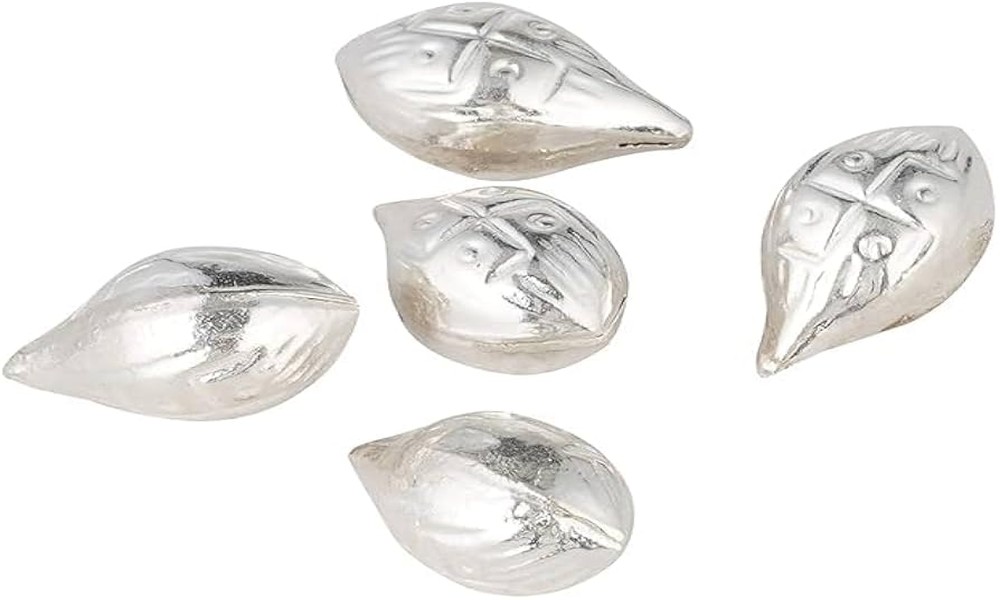
Religious rituals across India often include symbolic offerings that represent prosperity, purity, and devotion. Among these offerings, the coconut holds a special place in traditional ceremonies. Over time, decorative and long-lasting alternatives such as silver coconut for pooja have gained popularity, especially for temple rituals and important family occasions.
Silver-crafted coconuts are valued not only for their visual appeal but also for their durability. Unlike natural coconuts that may spoil or dry out, silver versions remain preserved for years and can be reused during multiple religious ceremonies.
Symbolism of the Coconut
In many traditions, coconuts represent purity and the removal of obstacles. It is commonly used during housewarming ceremonies, weddings, and festive rituals.
Traditional offerings such as Chandi ka nariyal are often presented during special occasions as a sign of respect and devotion.
Symbolic meanings associated with coconuts:
- Represents prosperity and abundance
- Signifies purity and sacred intentions
- Used as a token of gratitude in rituals
- Offered during important life events
- Associated with auspicious beginnings
Silver versions maintain the same symbolic value while adding durability and decorative appeal.
Families often preserve these items as heirlooms, passing them down through generations.
Why Silver Shreefal Is Preferred
Silver-crafted coconuts, also known as silver shreefal, are commonly used when long-term preservation is desired. Their polished finish and detailed craftsmanship make them suitable for both personal and temple use.
Unlike natural coconuts that require replacement, silver alternatives provide a reusable option for repeated rituals.
Reasons silver shreefal is widely chosen:
- Long-lasting and reusable
- Resistant to spoilage and decay
- Suitable for decorative placement
- Easy to maintain and clean
- Ideal for gifting during ceremonies
These advantages make silver shrifal items a practical addition to religious collections.
Their aesthetic appeal also enhances the visual arrangement of pooja setups.
Understanding Pricing Factors
When purchasing ritual items, pricing often depends on several material and craftsmanship elements. Buyers frequently compare silver shrifal price and silver nariyal price based on design complexity and weight.
Understanding these factors helps buyers make better decisions when selecting suitable offerings.
| Pricing Factor | Influence on Cost |
| Silver Weight | Heavier items cost more |
| Design Complexity | Detailed carving increases price |
| Purity of Silver | Higher purity raises value |
| Craftsmanship | Handcrafted items may cost more |
| Finishing Quality | Polished surfaces add to pricing |
Evaluating these aspects helps maintain a balance between aesthetic preference and budget planning.
Buyers often choose designs that suit the intended purpose, whether for gifting or regular ritual use.
Occasions for Silver Coconut Offerings
Silver coconuts are used during a variety of ceremonies where symbolic offerings are required. Their versatility allows them to fit into both traditional and modern celebrations.
Many households include silver coconut for pooja items during important religious milestones.
Popular occasions where silver coconuts are used:
- Housewarming ceremonies
- Wedding rituals and engagements
- Festive celebrations such as Diwali
- Temple donations and offerings
- Business inauguration ceremonies
Using reusable items reduces the need for repeated purchases of natural offerings, making them a sustainable choice over time.
They also remain visually appealing, even after years of use.
Caring for Silver Ritual Items
Maintaining silver items properly helps preserve their shine and value. Regular cleaning prevents tarnishing and ensures the item remains suitable for ceremonial use.
Simple maintenance practices include:
- Cleaning with a soft cloth after use
- Storing in dry, moisture-free spaces
- Avoiding harsh chemicals during cleaning
- Using protective covers for long-term storage
- Polishing periodically to maintain shine
Proper care ensures that items such as silver Shreefal remain in excellent condition for future ceremonies.
Well-maintained ritual items also retain their sentimental and decorative value.
Preserving Tradition Through Lasting Offerings
Religious practices continue to evolve while maintaining strong connections to tradition. Symbolic items such as Chandi ka nariyal and carefully crafted silver coconut for pooja pieces support meaningful rituals that reflect devotion and cultural heritage. As families seek durable alternatives that combine symbolism with longevity, silver-based offerings remain a preferred choice for ceremonies and gifting. Expanding collections to include sacred decorative elements alongside traditional offerings, such as temple deity jewellery, helps maintain the spiritual richness and visual elegance associated with ritual traditions.